I just bought a tank.
What do I do first?
Five pieces in order, written for someone who has water in a glass box and no idea what's supposed to live in it.
Three reading paths, depending on where you are in the hobby. Pick the one that sounds like you. If none of them do, the full catalog is below.
Five pieces in order, written for someone who has water in a glass box and no idea what's supposed to live in it.
Pick a species, get them home alive, and figure out why your colony is or isn't growing. The pieces we wish we'd had three years ago.
If your tank is cloudy, stuck cycling, or full of nitrates the water-change schedule isn't fixing, these are where to start.
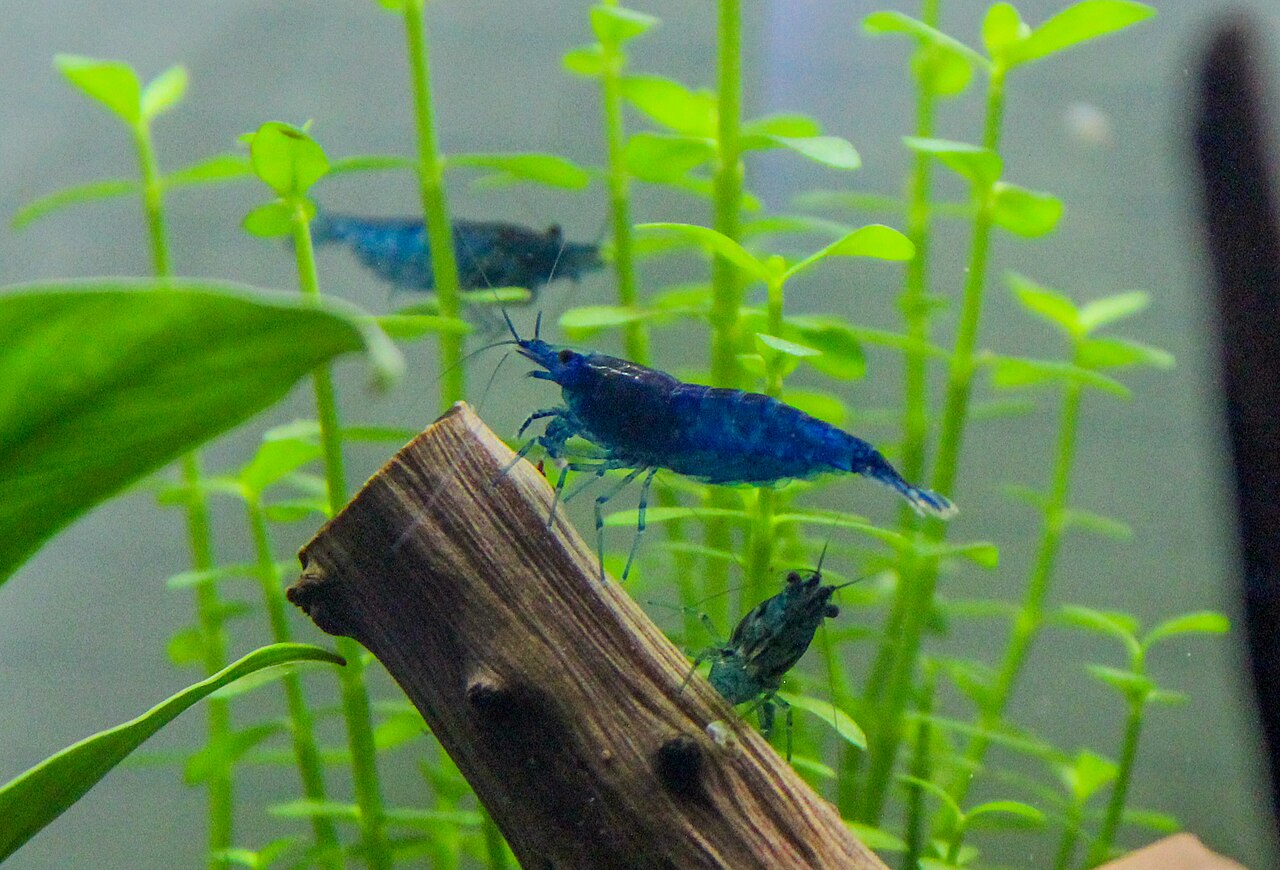
You spent $40 on shrimp. They arrived alive. The next two hours decide how many are still alive next week.
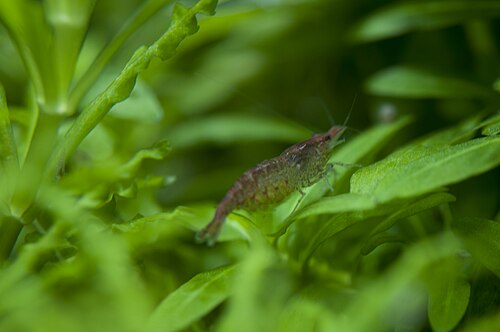
A healthy Neocaridina colony grows like a slow-motion explosion. When yours just sits there, it's almost always one of five fixable things.
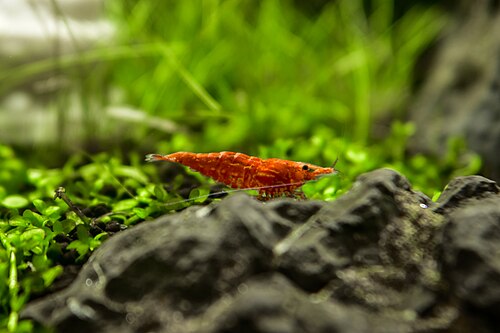
Neocaridina forgive almost everything. Caridina forgive almost nothing. Here's how to pick the right one for your tap water and your patience.
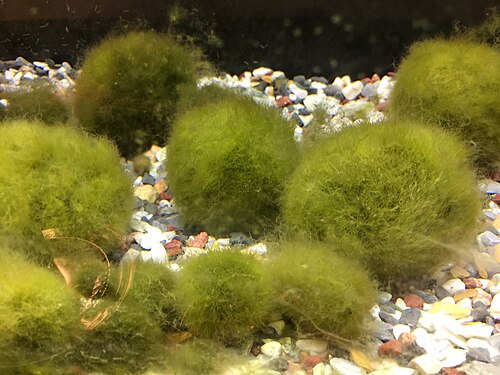
A clump of slow-spinning algae is a more useful tankmate than most fish. Biofilm grazing surface, gentle infusoria nursery, and the only "plant" that survives most beginners.
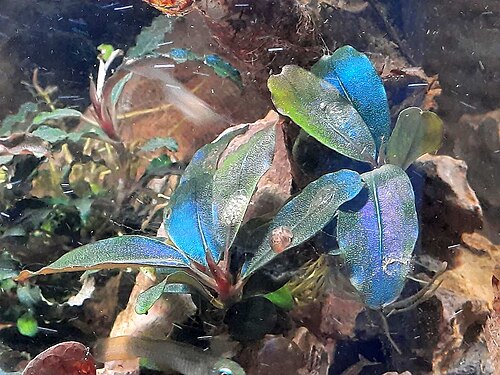
I killed my first three. Drowned them in CO2, baked them under a too-strong light, and — the fatal mistake — buried the rhizome.
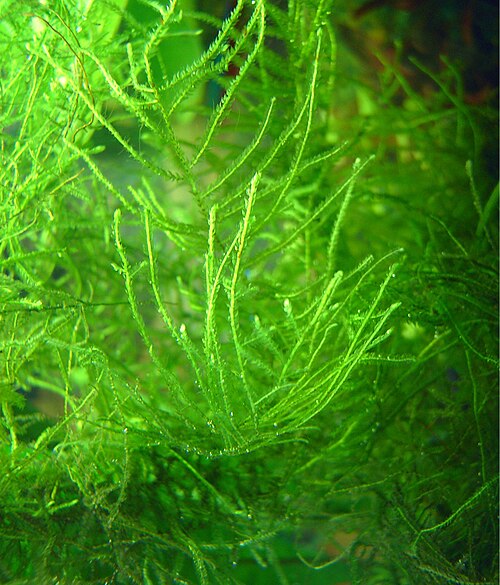
Christmas moss looks better. Java moss survives more. The honest tradeoff for shrimp tanks, hardscape attachment, and slow-grow vs no-grow setups.
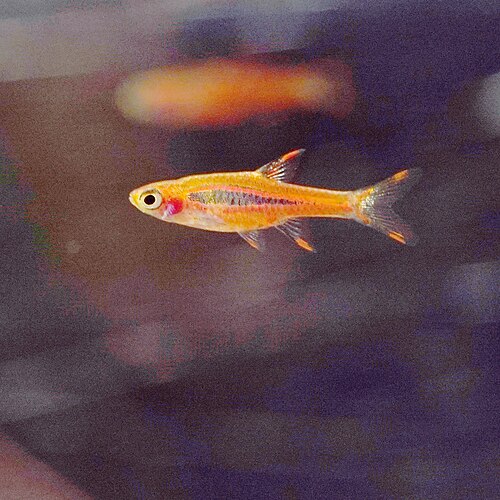
There are roughly fifteen species commonly recommended. Most are fine. A few really shouldn't be in a tank this size.
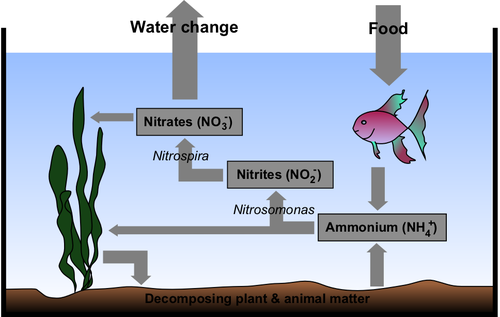
The most important thing to understand about a freshwater tank — and the topic where most beginner guides repeat textbook claims that have been wrong since 1998.
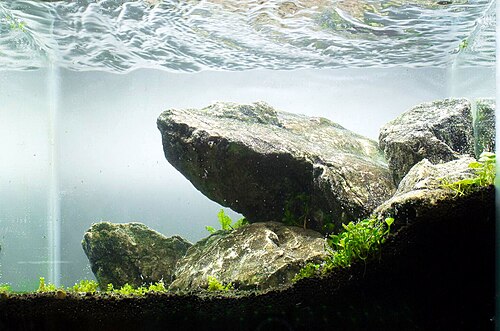
High nitrates were killing plants and stressing rasboras for months. I tried everything wrong before I tried the right things — including $200 of nitrate-removing media that didn't work.