The package arrives. You open it carefully, because the seller's email said to. Inside: a bag of dark water, a small heat pack, and a dozen shrimp huddled at the bottom of the bag. Some are moving. Some aren't. You have a tank ready and you want them in it.
Wait. The next ninety minutes matter more than anything you did setting up the tank.
Shrimp are far more sensitive to water changes than fish are — not because they're frail, but because their entire osmotic balance is calibrated to the dissolved mineral content of the water they're in. Move them too fast and they don't die in the bag; they die three days later from delayed molt failure as their body tries to reset and can't. This is the single most common way to kill mail-order shrimp: by being kind and impatient at the same moment.
What this article does NOT cover
Quarantining the shrimp before adding them to a community tank. That's its own topic and the answer for most home keepers with a shrimp-only tank is "skip it." If you have an existing display tank with fish you care about and you're worried about diseases from the new shrimp, run a separate quarantine tank for two to four weeks and acclimate into that first; the drip method is the same either way.
Plip-plop-style acclimation (float the bag, dump in some tank water every ten minutes). It works for hardy fish. It is not adequate for shrimp coming from substantially different parameters. The drip method exists precisely because plip-plop doesn't work for these animals.
Recommended gear for this article
All affiliate links · we earn a small commission at no cost to you

The setup, in plain terms
You need three things:
- A container the shrimp can sit in for ninety minutes. A clear glass jar or wide-mouth container is ideal — you want to see what's happening. Half-gallon or larger.
- Airline tubing, six feet of it. Standard 3/16-inch aquarium airline.
- A clip, a peg, or a way to suspend the airline so it siphons water from your tank into the acclimation container without falling in or whipping around.
That's the entire rig. No air pump. No drip valve. The drip rate is controlled by a knot.

Step one: temperature only (the first thirty minutes)
Float the unopened bag in your tank, lid up, for about thirty minutes. The water in the bag will equalize to tank temperature in that time. This part you can do straight from the box without thinking — and it gives you thirty minutes to prep the rest of the rig.
If the bag water is visibly cloudy, smells of ammonia, or is much colder than expected (a cold heat-pack-failure shipment), shorten this step to ten or fifteen minutes. Ammonia toxicity rises sharply as temperature rises, and shrimp sitting in their own waste at room-temperature for hours will start to die. The trade-off is moving them into temperature shock to escape ammonia shock; in cold-shipment cases, getting them out of the bag faster is usually the right call.
Step two: the drip itself
Carefully open the bag and pour the entire contents — water and shrimp — into the acclimation jar. Set the jar on a surface lower than your tank. (The tank needs to be higher so the siphon works by gravity.)
Take the airline tubing. One end goes into your tank, submerged at least a few inches below the surface. Suck on the other end like a straw until tank water comes through, then quickly pinch the end and lower it into the acclimation jar. You're now siphoning tank water from the tank into the jar.
If it's pouring out in a stream, you tie a loose overhand knot in the middle of the airline. Tighten the knot gradually until the water comes out as drops, not a stream. Target: one to two drops per second.
That's it. You're now drip-acclimating. Walk away.
How long, how slow, how to know when you're done
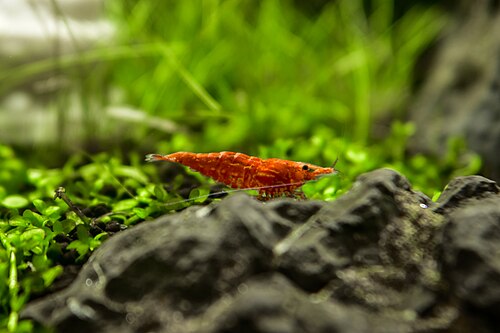
For Neocaridina shrimp (cherry, blue dream, yellow, etc.) coming from a reputable seller with reasonably similar parameters, target a ninety-minute drip. By then the volume in the jar should have roughly doubled and the water in the jar is mostly tank water.
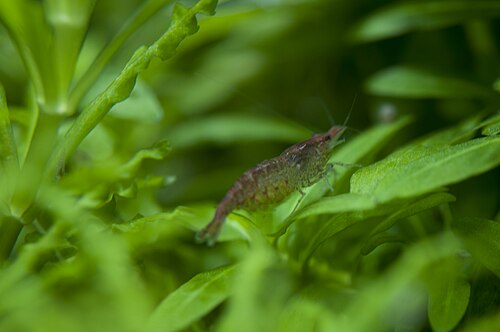
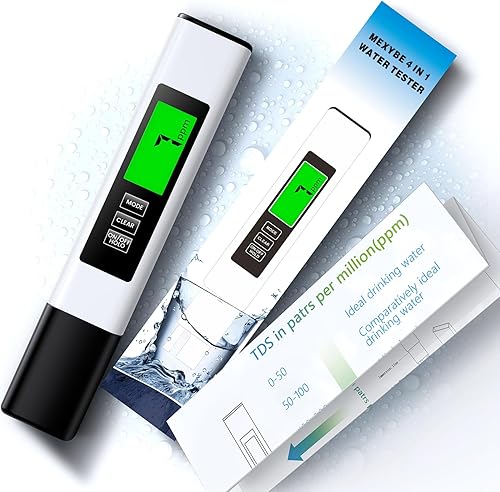
For Caridina shrimp (crystal red, black, bee, taiwan bee) or for any shrimp coming from substantially different water — particularly different TDS — extend to two to three hours. Caridina shrimp from a seller with TDS 120 going into your tank at TDS 180 are facing a 50% mineral shock at the cellular level. Slow the drip and let them adjust.
If the jar fills, stop the drip, scoop out half the water with a cup (do not pour shrimp out with it), and restart the drip. Aim for at least three jar-volume turnovers total. By the end the jar water and tank water should be functionally identical.
Step three: getting them out without dumping the jar water
Once acclimation is done, you need to move the shrimp from the jar to the tank without introducing the jar water into your tank. The jar water now contains whatever was in the bag: the seller's water, shrimp waste from shipping, any tannins or medications from transport. None of it belongs in your tank.
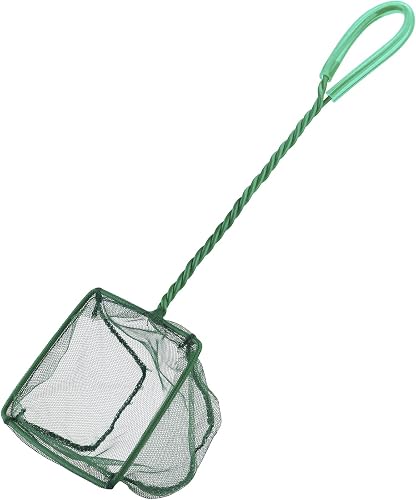
Use a soft mesh net. Scoop the shrimp out a few at a time and lower them just below your tank's water surface to release. Soft mesh matters — stiff nets can damage shrimp antennae and break the long sensory hairs on their legs. The shrimp will hop off the net into the tank on their own; you don't need to shake them off.
The jar water goes down the drain.
The first forty-eight hours
Newly added shrimp will spend most of the first day hiding. That's correct behavior; do not interpret it as illness. Lights low or off for the first 24 hours helps reduce stress.
You will probably see one or two molts in the first three to five days as the shrimp finish a delayed molt cycle that was suspended during transit. Do not remove the molted exoskeletons. Shrimp eat their own molts to recover calcium; pulling them out of the tank wastes that and stresses the rest of the colony.
Do not feed for the first 24 hours. Their digestive systems are recalibrating and added food just dissolves and adds ammonia to a tank that's now adjusting to new biological load. Feed lightly on day two — about half what you'd normally feed for that many adults. Resume normal feeding by day four.
If you see deaths in the first week, count them and don't replace immediately. Some loss after shipping is normal even with perfect acclimation — maybe one out of ten. Above 30% loss in the first week, something is wrong (either with the shipment or with your tank). Email the seller; reputable ones honor live arrival guarantees if you document with photos.
Common mistakes worth naming
Skipping the drip and just floating the bag. Works for fish, not for shrimp. The osmotic mismatch is the part that matters, and temperature equalization alone doesn't address it.
Drip too fast. A heavy stream is the same as just dumping. Aim for actual drops you can count.
Leaving them in the jar overnight. The acclimation jar has no filtration, no surface area, and limited oxygen. Two to three hours is fine; six is risky; overnight is how you cook your shrimp in ammonia. If for any reason you can't get them to the tank in three hours, return them to the bag and float it again.
Adding bag water to the tank. Even a few cups can introduce pathogens or carry over treatments the shrimp were shipped with. Net transfer, every time.
Acclimating in cold or hot rooms. The acclimation jar drifts to room temperature over the course of an hour. If your room is 60°F or 85°F, you're un-doing the temperature work. Acclimate near the tank, at tank room temperature.
One note on Caridina specifically
If you're acclimating Caridina shrimp (any of the bee, taiwan bee, crystal red, or related groups) and your tank uses an active substrate like ADA Amazonia, your tank water is much softer and more acidic than typical Neocaridina water. The TDS gap between a seller's shipping water and an active-substrate tank is often 100+ ppm. Plan for a three-hour drip minimum and consider doing it in two passes — drip for two hours, let the shrimp rest in the jar at the new parameters for thirty minutes, then drip another hour to fine-tune.
Caridina mortality from undisciplined acclimation is much higher than Neocaridina mortality. They are not Neocaridina with prettier patterns; they are a meaningfully more sensitive animal. If you're new to dwarf shrimp, the suggestion in our Neocaridina vs Caridina piece still stands: start with Neocaridina, get reliable success, then consider Caridina once your husbandry is consistent.
The quick checklist (save this)
- Float bag, unopened, 30 minutes — temperature only
- Empty bag (shrimp and water) into the acclimation jar
- Start a 1–2 drops/sec siphon from the tank into the jar
- 90 minutes for Neocaridina, 2–3 hours for Caridina
- Empty half the jar if it fills, restart drip; aim for ~3 volume turnovers
- Net shrimp into tank — never pour jar water in
- Lights off 24 hours, no food 24 hours
- Leave molts in the tank, expect hiding for 48 hours
That's the whole protocol. The rest is patience.
Some links in this article are affiliate links — if you buy through them we earn a small commission at no extra cost to you. We only recommend gear we've personally used.